Why Your Child’s Body Shape Might Be Changing and How to Support Healthy Growth
It is a common experience for parents to notice sudden child body shape changes and feel a sense of concern. Perhaps a tummy is softer than it was last year or a child seems to be outgrowing clothes faster than their peers. In our current culture, the immediate impulse is often to intervene by suggesting more protein, fewer carbohydrates, or increased exercise to manage the child’s size.
While these concerns come from a place of protection, they are often based on a misunderstanding of how children actually grow. As a psychotherapist specialising in eating disorders, I see the long term impact of these well intentioned interventions. When we treat a child’s body as a problem to be solved, we risk damaging their relationship with food, their body and themselves for decades to come.
Children Grow Out Before They Grow Up
Children’s bodies do not develop in a linear, predictable fashion. They grow in stages. It is incredibly common for a child to store energy and fill out immediately before a significant growth spurt. If we intervene during this natural phase by restricting food or overemphasising exercise, we interrupt the body’s internal blueprint.
When we view a child through the lens of weight concern, we stop seeing a developing human and start seeing a project. Children are highly attuned mirrors; they pick up on our anxiety and our scanning of their bodies. The message they internalise is rarely about health. Instead, they hear that their body is untrustworthy and that their appetite is something to be feared.
Moving For the Joy of It
In the same way that food becomes a source of stress, movement is often weaponised as a tool to change a child’s shape. When we enrol children in sports or suggest extra walks with the underlying goal of weight loss, children feel that pressure. Movement stops being about play and starts being about a duty to shrink.
To protect a child’s relationship with their body, we must prioritise moving in ways that the child genuinely loves. Whether that is dancing in the living room, climbing trees, or playing at the park, movement should be about joy, connection, and what their body can do, not what it looks like. When we move alongside them without an agenda, we reinforce the idea that their body is a vehicle for life rather than an ornament to be edited.
The Risk is Shame, Not Size
In my practice, I rarely see disordered eating emerge in isolation. It is almost always rooted in an early sense of being monitored or a feeling that one’s body was somehow wrong. The primary risk for a child in a larger body is not their weight; it is the weight of the shame they carry when they realise the adults around them are worried about their size.
Once a child loses the ability to trust their own hunger and fullness cues because they are being told to eat more protein or avoid certain snacks, the path to emotional eating becomes much wider.
A Trauma-Informed Approach to Child Growth: Moving Towards Emotional Connection
If we want to prevent children from using food as a primary coping mechanism, we must focus on emotional connection rather than caloric intake. Food is often used to soothe when a child lacks the vocabulary or the safety to express big feelings.
Instead of monitoring the lunchbox, we should be curious about their inner world. Supporting a child’s emotional literacy, helping them identify feelings of frustration, overwhelm, or a sense of not being good enough, is the most effective way to ensure they do not end up using food to fill an emotional gap. When a child feels seen and heard, they are far less likely to need food to do the job of a supportive relationship.
A Foundation of Trust
Protecting a child’s relationship with their body requires us to opt out of the diet culture noise. It means keeping food neutral, avoiding commentary on body shape, and trusting that their body knows how to grow. Our job as caregivers is to provide a reliable structure of meals and a safe emotional harbour. The rest is up to the child’s biology.
The HAES Approach for the Next Generation
The gold standard for raising children with a peaceful relationship to food and their body is the Health At Every Size (HAES) approach. HAES is often misunderstood as ignoring health, however, it is about supporting health behaviours without making weight the goal. It encourages joyful movement rather than exercise as punishment and honours internal hunger cues rather than external rules. By focusing on well-being rather than a number on a scale, we allow children to grow into the size they were genetically meant to be.
Helpful Resources for Parents
To help move away from the restrictive, weight centric model often seen in mainstream advice, here are some go to resources for parents:
Ellen Satter’s Division of Responsibility
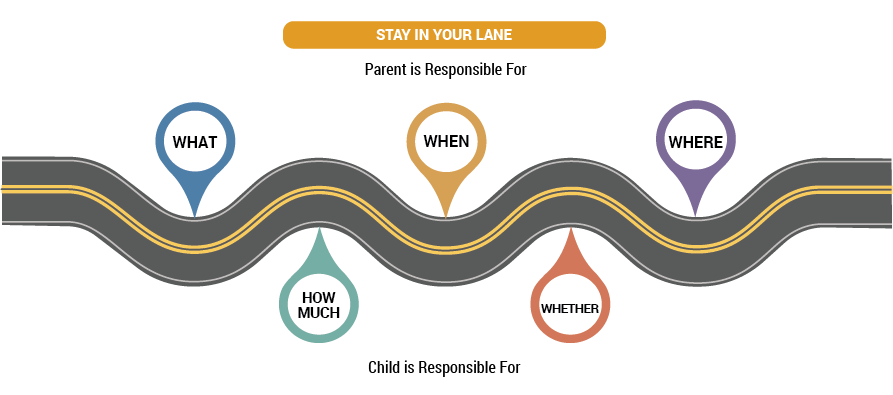
This is the most transformative tool for any parent feeling anxious about their child’s eating. The model is simple: the parent is responsible for what, when, and where food is served. The child is responsible for whether they eat and how much. When parents overstep by trying to control the how much, power struggles ensue, and the child’s intuitive eating abilities are eroded.
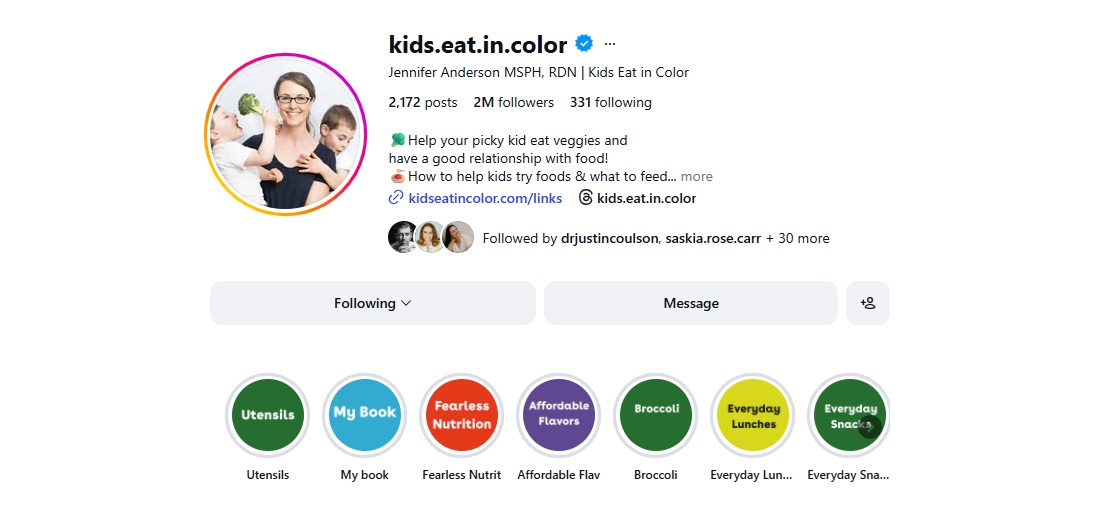
For practical, visual, and weight neutral guidance, Jennifer Anderson’s work at Kids Eat in Color on Instagram is an essential resource. She provides a roadmap for exposing children to a variety of foods without the pressure, shame, or good vs bad labelling that characterises so much of modern nutritional advice.
A Mighty Girl Cultivating a positive body image starts with the stories we share. The book list Celebrating Every Body: 35 Body Image Positive Books for Mighty Girls offers wonderful resources to help girls appreciate their bodies for what they can do and navigate the pressures of appearance focused culture.

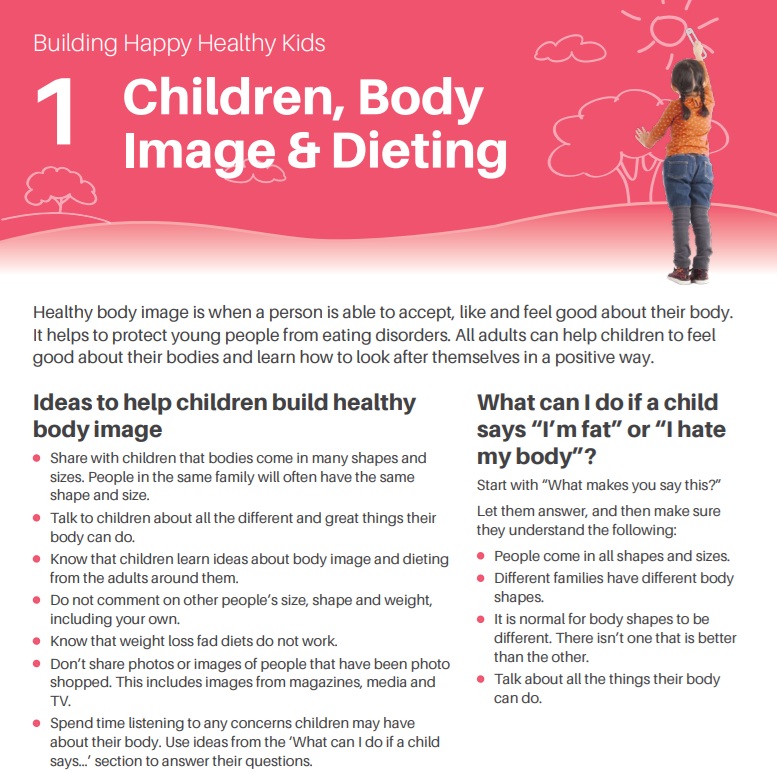
Healthy body image is when a person is able to accept, like and feel good about their body. It helps to protect young people from eating disorders. All adults can help children to feel good about their bodies and learn how to look after themselves in a positive way.
When Food is Used to Soothe
There are many reasons children and teens experience body changes, and as we have explored, most are a natural part of growth and development. However, it is important to distinguish between physical growth and emotional regulation. If you feel that your child is using food to regularly soothe, numbing their feelings, or manage stress, that is a different matter.
In these instances, the focus still should not be on the weight or the food itself, but on the underlying emotional hunger. It is an invitation to look at what is happening in their inner world and to help them find safer, more sustainable ways to navigate their feelings.
By adopting a trauma-informed and HAES approach to child growth and shifting our focus from the shape of a child’s body to the health of their whole self, including their emotional and relational world, we give them the best possible chance of reaching adulthood with their self-worth intact.