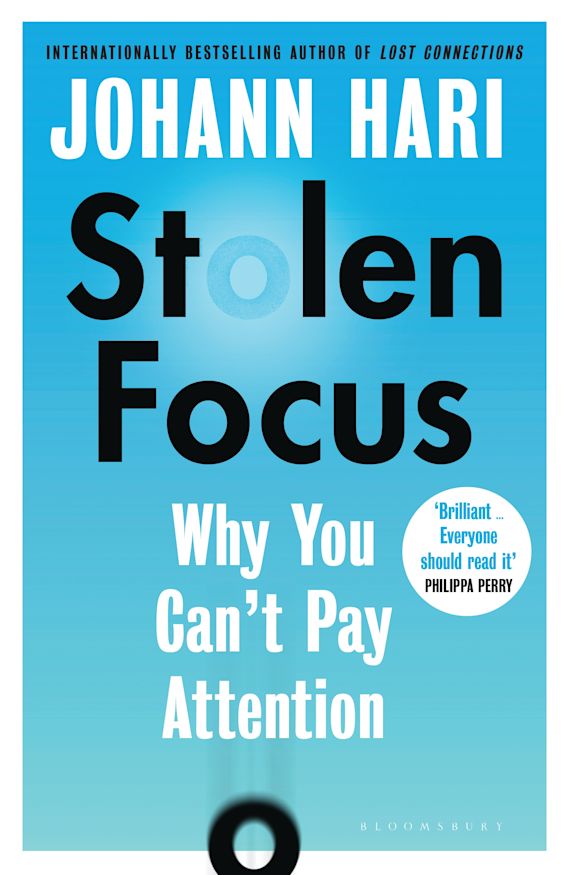
In Stolen Focus, Hari explores how modern technology, smartphones, and social media create constant digital stimulation that erodes our ability to concentrate, think deeply, and remain present. While the book focuses heavily on productivity, it raises a more profound question for the therapeutic community: what happens to the human nervous system when it exists in a state of perpetual distraction?
For many, the loss of focus Hari describes is not just a workplace issue. It is deeply intertwined with emotional regulation, trauma, and the survival mechanisms we use to get through the day.
Attention, Trauma, and the Modern Nervous System
Johann Hari argues that our digital environment has created a crisis of attention. We are fragmented by notifications and a constant stream of data. From a trauma-informed perspective, this level of stimulation often functions as a subtle form of emotional avoidance.
When our attention is captured by external stimuli, we lose the capacity to feel what is happening internally. For individuals with a history of childhood emotional neglect or complex trauma, this is often a subconscious choice. Silence and stillness can feel threatening if early environments were emotionally unsafe. Consequently, many people turn to digital distraction as a way to regulate an inner world that feels too loud or too painful to inhabit.
Digital Distraction and Emotional Eating
A critical but often overlooked consequence of this attention fragmentation is its intersection with emotional eating. When the nervous system is overstimulated by digital input, it enters a state of chronic stress. This leads to emotional overwhelm and a total disconnection from bodily cues.
In this hyper-activated state, the brain seeks immediate relief. This relief often manifests as:
- Emotional or binge eating
- Compulsive social media scrolling
- Avoidant productivity
- Numbing behaviors like alcohol use
Food, much like a smartphone screen, offers temporary regulation for an exhausted nervous system. If we are constantly distracted, we lose the ability to detect the subtle emotional signals that would otherwise lead us toward genuine self-soothing and connection.
Hari’s Research on the Mechanics of Distraction
Stolen Focus excels at translating complex neuroscience into accessible insights. Hari explains how our brains evolved to respond to novelty, a biological mechanism that tech companies now exploit to keep us clicking.
He also highlights cultural pressures that reinforce this cycle, such as the expectation of constant availability and a social media culture built on comparison. These external forces make sustained attention feel nearly impossible for the modern individual.
Reclaiming Focus as a Path to Regulation
Hari does not just diagnose the crisis; he offers pathways to restoration. Many of his strategies align perfectly with trauma recovery and nervous system stabilissation.
- Digital Detoxes: Taking regular breaks from devices allows the nervous system to settle. By reducing external noise, we create the necessary space to reconnect with internal emotions that are often numbed by scrolling or eating.
- Mindfulness Practices: Practices like meditation cultivate presence and strengthen our ability to tolerate uncomfortable emotions. For those struggling with emotional eating, this awareness is the first step in re-establishing a connection with hunger and fullness cues.
- Physical Movement: Movement is a powerful regulator. It releases stress hormones and helps move us out of a “frozen” or dissociated state, supporting better embodiment.
- Technology Boundaries: Setting clear boundaries, such as disabling notifications, creates psychological breathing room. Without these limits, our attention is constantly hijacked, leaving no room for the reflection required for emotional processing.
- Focused Environments: Designing quiet, device-free zones supports emotional presence. When we lower the volume of the outside world, we are better able to engage in journaling, therapy, and meaningful conversation.
Reclaiming Attention in a Fragmented World
Johann Hari’s message is that while attention is shaped by systemic forces, reclaiming it is a deeply personal act of healing.
When we reduce digital distraction, we allow our inner lives to emerge. For anyone healing from emotional eating or complex trauma, this awareness is transformative. It allows us to recognise the longings and needs that our coping mechanisms were trying to protect.
Instead of numbing ourselves with screens or food, we can begin to reconnect with the deeper sources of meaning and regulation that support long-term wellbeing.