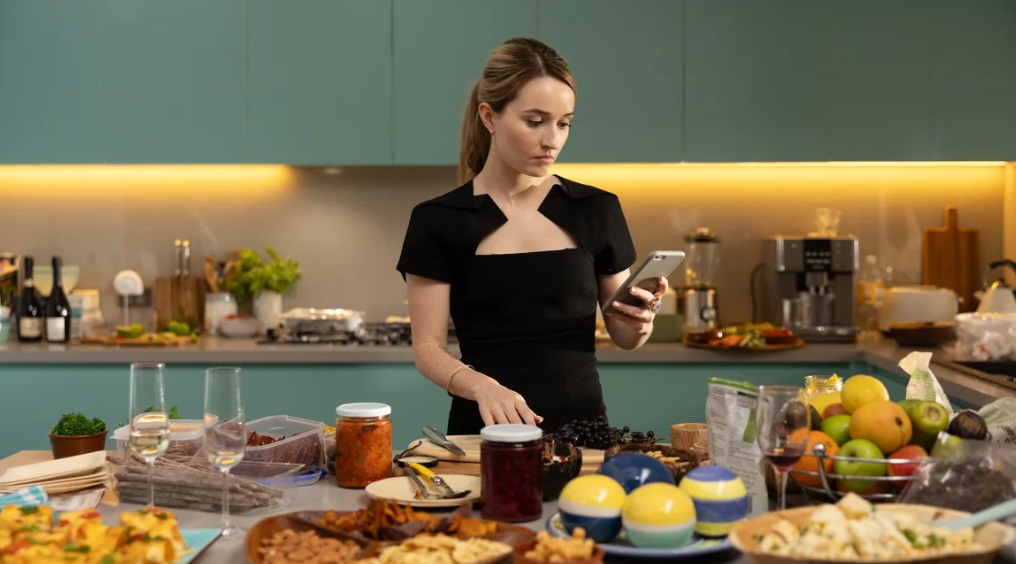
As a psychotherapist working with emotional eating, trauma, and identity, I often see how food becomes a way to cope, to feel safe, and to create a sense of control. Netflix’s Apple Cider Vinegar offers a powerful lens into this dynamic.
This post is a review of Apple Cider Vinegar and may contain spoilers.
Netflix’s Apple Cider Vinegar exposes the dangers of the modern wellness industry through the shocking true story of Australian influencer Belle Gibson. She gained a massive following by claiming to have cured her terminal brain cancer through diet and alternative medicine, only to be exposed as a fraud. Milla, the other main character, is rumoured to be Jessica Ainscough, who died of cancer not long after her mother, both after refusing medical treatment.
Belle and Milla’s followers, including real cancer patients, trusted their advice over medical professionals, with devastating consequences. The series is a stark reminder of how easily misinformation spreads in the age of social media, and how influencers can wield immense power over vulnerable individuals seeking hope and healing.
Why Do People Follow Wellness Influencers and Gurus?
When people don’t know their true selves, when they don’t feel a sense of safety and security in themselves and in the world, they are more likely to follow influencers, conspiracy theories, wellness gurus, and cults.
The causes are multifaceted. Early childhood trauma, a lack of a secure base, and identity confusion can leave people susceptible to external validation and a deep desire to belong. Trauma fragments a person’s sense of self, making them more likely to seek certainty and control, something wellness influencers promise through carefully curated health regimens and dietary rules.
Emotional Eating and the Need for Control
For many people, food becomes a way of managing overwhelming internal states. Emotional eating is not simply about comfort, it is often about safety, predictability, and control.
When the internal world feels chaotic or uncertain, rigid food rules or “clean eating” can create a temporary sense of order. In this way, what looks like discipline or wellness can actually be an attempt to regulate anxiety, fear, or a deeper sense of insecurity shaped by earlier experiences.
The Rise of Orthorexia: When Wellness Becomes an Obsession
One of the most concerning trends since the rise of Instagram is the increase in orthorexia, an unhealthy obsession with eating “pure” or “clean” foods.
While striving for health is understandable, taking it to the extreme can signal deeper problems. Many people, particularly those who have experienced trauma, struggle with anxiety about death, ageing, staying at a certain weight due to internalised fat phobia, feeling safe in the world, and losing control. They turn to rigid dietary rules as a way to feel safe, hold onto youth, and avoid illness, believing that the right food choices can shield them from mortality.
The wellness industry exploits these fears, selling the idea that by following specific diets or taking expensive supplements, people can defy ageing, prevent disease, and optimise their bodies. But true health isn’t about restriction or chasing perfection, it’s about balance.
The Danger of Over-Identification with Food and Health Trends
When someone follows an extreme wellness trend like Belle Gibson’s Whole Pantry diet, they can begin to wrap their entire identity around it.
Instead of seeing themselves as multifaceted individuals, they become “the vegan,” “the biohacker,” or “the clean eater.” This kind of over-identification with a part of who they are can create a false sense of safety and even superiority, an unconscious belief that they are better than others because of their strict health choices.
This is often a psychological defense, shaped by a long history of feeling not enough. You can see glimpses of this in Apple Cider Vinegar through Belle’s trauma history. When someone feels uncertain about who they are, rigid belief systems can become a way to construct identity. But this is not the whole self, it is a protective layer.
There is nothing wrong with eating a plant-based diet, however, for some people “clean eating” or “plant-based” living can mask disordered eating. If it leads to social isolation, fear of certain foods, or rigidity, it is worth gently questioning what might be sitting underneath.
Finding a Balanced Approach to Health and Identity
So how can wellness extremism be softened?
The answer lies in developing a more integrated sense of self. When there is a deeper connection to who we are beyond roles, identities, and parts, more balanced and sustainable choices tend to follow.
Ask: Who Am I, Really?
Identity is more than what is eaten or how exercise is approached. Values, passions, and inner life deserve attention.
Recognise the Wellness Industry’s Motivations
Influencers often profit from insecurity. It is worth asking whether something is evidence-based, or whether it is marketing dressed as truth.
Health is More Than Just Food
Wellbeing includes emotional resilience, meaningful relationships, and a sense of purpose, not just what is on the plate.
The Parts and the Whole
Food is one part of life. When there is a stronger relationship with the whole self, extreme identities become less necessary.
Health at Every Size
Approaches like Health at Every Size support wellbeing without fear-driven control or rigid rules.
Fact-Check Information
With Meta platforms stepping away from fact-checking, critical thinking is more important than ever when consuming health information online.
Seek Guidance from Qualified Professionals
If food struggles, body image concerns, or health anxiety arise, working with a qualified practitioner is far more supportive than relying on influencers.
The Lesson of Apple Cider Vinegar
The series is ultimately a cautionary tale about the dangers of blind trust in wellness influencers. Belle Gibson was able to influence millions because she told a compelling story people wanted to believe.
But truth matters.
Wellness is not about fear-based restriction or miracle cures. It is about self-awareness, balance, and a willingness to engage with the full complexity of being human.
In the end, the most meaningful health decisions don’t come from following trends, they come from getting to know yourself deeply, and making choices that nourish body, feelings, mind, and soul.
FAQs
What is orthorexia?
Orthorexia is an unhealthy obsession with eating foods considered “clean” or “pure,” often leading to rigidity, anxiety, and social or physical consequences.
Is clean eating a form of disordered eating?
Yes, it can be. While not always problematic, strict rules around food, fear of certain foods, or moralising eating can indicate disordered eating patterns.
Why do people follow wellness influencers?
People are often drawn to certainty, belonging, and hope, especially when feeling vulnerable, unwell, or disconnected from themselves.
Gentle next step
If you recognise yourself in any of these patterns, it might be worth exploring your relationship with food and self more deeply. Support can help you move towards a more balanced and compassionate way of relating to your body. Reach out now for an appointment with me – I see people online for emotional eating and other food, weight and body image concerns and on the Northern Beaches of Sydney.